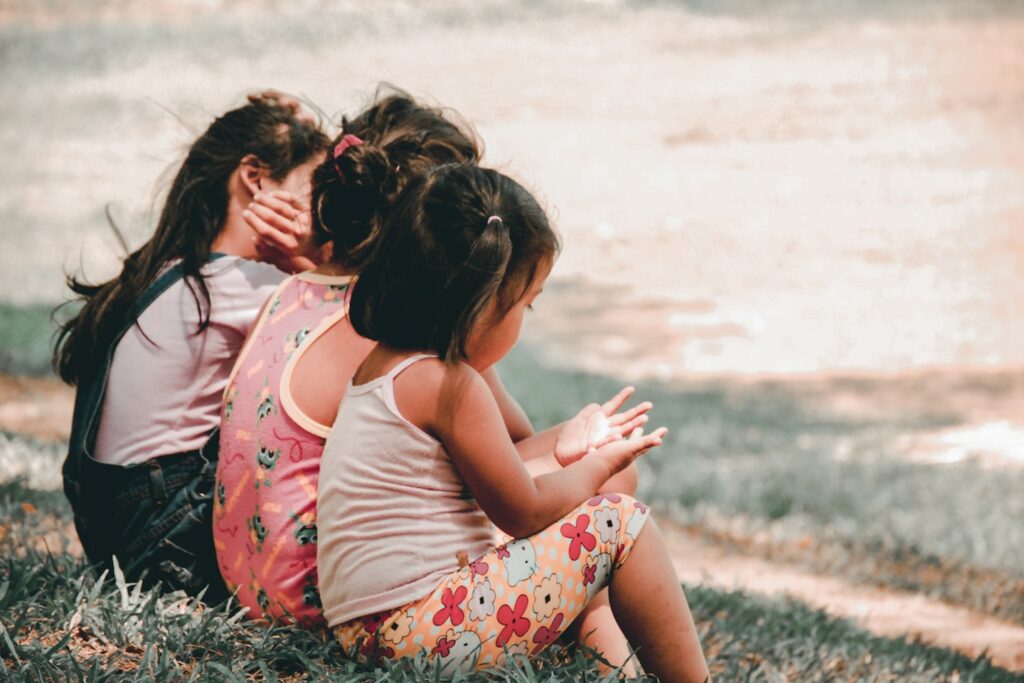
Teaching cleanliness to a child is an essential stage of development that symbolizes progress towards greater autonomy. This learning process, far from being instantaneous, often raises many questions among parents: when and how to start? Which equipment to prioritize? How to handle little “accidents” without stress? In real life, each child shows different readiness, with subtle signs revealing their desire to give up diapers. Respecting this unique pace is fundamental to fostering the child’s motivation and establishing a gentle toilet routine. Thanks to proven cleanliness methods, gradual learning, and constant educational patience, this transition can be experienced smoothly, with tailored parental advice to support each progress and celebrate each success.
In brief:
- 🕒 Identify readiness signs (e.g., staying dry for several hours, expressing needs, imitating adults).
- 🚦 Choose a calm moment, without major changes in the child’s life.
- 🚽 Provide suitable equipment (pot or seat reducer according to preferences and easy access).
- 📅 Establish regular routines to embed the habit.
- 👏 Encourage progress kindly, without pressure or punishment.
- 🌙 Nocturnal cleanliness develops separately, often later.
- ⚠️ Avoid common mistakes such as rushing, over-rewarding, or inconsistency between adults.
When and how to identify readiness signs for cleanliness in a child?
Cleanliness learning begins above all with careful observation of the child’s behaviors and specific needs. In the practice of an early childhood educator, it is common to notice that the child’s motivation is expressed through several key signs. For example, when a child remains dry for several hours, this indicates better physiological maturation allowing greater sphincter control. This control is essential for successful long-term cleanliness.
Among other signs, it is often noted that the child starts to grimace or hide during urination, or stops their activities to express an urgent need. This bodily awareness is a major turning point in their autonomy. Imitation is also a revealing signal: when they show interest in adults or older siblings using the toilet, they display a desire to join this new stage.
An often underestimated but fundamental sign: understanding and using vocabulary related to the need to go to the toilet, whether through specific words (“pee,” “poop”) or gestures. This demonstrates an intellectual and linguistic awareness that bridges towards toilet training.
It is important to note that these signs do not always appear at the same age. Some children are ready as early as 22 months, while others display these signs later, some up to 3 years or more. Rushing the learning can create resistance and tension which harm the trust and serenity essential at this stage.
A little tip: observe the child over several days in different situations to confirm these readiness signs. For example, check if they keep their diaper dry after a nap or if, after free play, they spontaneously head towards the potty or toilet. These precise observations allow for a more natural start, at the child’s pace, within a supportive dynamic rather than imposition.
In summary: ensuring the child expresses interest, need, or concrete understanding is the first key to approaching cleanliness learning without stress, with a respectful posture towards their development.
Key steps to establish an adapted and reassuring toilet routine
A well-thought-out toilet routine greatly facilitates successful cleanliness learning. Starting by familiarizing the child with the equipment is often a forgotten but oh so precious step. For example, placing the potty in an accessible and reassuring place (often the bathroom) invites discovery without constraint. Allowing the child to touch, explore, or even decorate this new object helps alleviate their possible fears.
In real life, a child may sit on the potty with or without a diaper for a short time, just to integrate this new habit. This moment of exploration is precious for future habit formation. The key is regularity and setting up a gentle routine without forcing. Offering the potty systematically at strategic moments supports alignment with physiological needs:
- ⏰ Upon waking to manage nighttime elimination
- 🍽 After meals to stimulate the gastrocolic reflex
- 🛏 Before nap and bedtime to avoid accidents
This structuring creates a reassuring rhythm, a real safety zone where the child can anticipate and feel their progress. Each potty visit becomes a small, celebrated event without pressure.
Encouragement is an essential dimension without falling into over-rewarding. A warm “Well done!”, a sticker to place on a progress chart, or a simple knowing smile are encouragements that feed the child’s motivation and self-confidence.
Sometimes, a common mistake is to constantly ask the child if they need to go, which can cause a form of stress or rejection. The balance lies in fine observation and gentle invitations, never forced.
In situations where the child frequents multiple places (daycare, nanny, grandparents), consistency is key. Communicating habits, used words, and employed equipment prevents misunderstandings and stabilizes the child’s references. The consistency of this educational circle proves a valuable ally to exchange good practices and encourage shared progress.
Table of fundamental steps for a successful child cleanliness routine:
| Step 🕒 | Description 📋 | Practical advice ✔️ |
|---|---|---|
| Observation of signs | Identify if the child shows interest signs and sphincter control | Patience, note behaviors over several days |
| Equipment discovery | Allow the child to handle the potty or seat reducer without pressure | Place the potty in an accessible spot and invite without forcing |
| Setting up the routine | Offer the potty at strategic moments | Structure the day: waking, meals, nap, bedtime |
| Positive encouragement | Celebrate successful attempts without excess | Use verbal praise and a tracking chart |
| Accident management | React calmly and pedagogically | Clean without reprimand and reassure the child |

Popular techniques and methods to succeed in child cleanliness
Several approaches are favored to teach a child to become clean. Adapting according to each child’s character and pace is essential, which invites a diversity of cleanliness methods.
The gentle and progressive method
This method promotes active observation of readiness signs, encourages the child without pressure nor rapid diaper removal. It respects educational patience and values progress, even minimal. It is often the choice of parents seeking smooth learning without stress or coercion. Thus, the child becomes an actor at their own pace, supported by a kind framework ensuring success over the long term.
The “no-net” method
This technique involves removing the diaper overnight, relying on parents’ availability and the child’s ability to understand quickly. It can be effective in some cases, especially when the child shows strong motivation and advanced sphincter control. However, it carries a higher risk of accidents and pressure if the child is not truly ready.
Infant Natural Hygiene (INH)
Less known, this method is based on non-verbal communication and recognizing the baby’s bodily signals from birth. Rather than classic learning, it is a close connection between parent and child to anticipate needs. It requires considerable time and sustained educational patience but offers an interesting alternative for some families.
The Montessori approach
– Promote autonomy with an accessible and ergonomic potty.
– Simple clothes easy to remove to encourage independent approach.
– Clear and respectful language to invite the child to use the toilet.
– Encourage free experimentation and gradual appropriation.
This educational philosophy supports that the child is naturally capable of progressing if they benefit from a prepared, secure environment at their level. It also values creativity and self-confidence throughout this process.
Wise advice for managing accidents and maintaining the child’s motivation
Accidents are inevitable during cleanliness learning. A gentle and calm reaction is essential to avoid frustration and guilt. In everyday reality, small incidents often occur, and managing them kindly is a small educational victory.
Here are some simple and concrete tips:
- 🌟 Stay calm and reassuring: Never punish or scold, as it may create anxiety.
- 🧼 Clean gently while simply explaining what happened.
- 💬 Use positive language: “It’s normal, you’re learning, we’ll try again!”
- 🎯 Encourage spontaneous initiatives, even if they aren’t perfect.
- 🎨 Offer creative activities to relieve tension, like creating a “encouragement box” where the child places stars or drawings after each success.
Maintaining lasting child motivation also relies on regularity and sincere encouragement. It is necessary to avoid blackmail or excessive rewards that could turn this stage into a simple transaction. Fostering self-confidence nurtures desire and pride, indispensable for the child to fully adopt this new pace.
It is essential to know that nocturnal cleanliness often follows a completely different schedule, usually occurring between 4 and 5 years old, or later. This delay is perfectly normal: physiology during sleep is different. It should be approached patiently, once daytime cleanliness is well established.
Common mistakes to avoid for a peaceful cleanliness learning
In the often winding path of child cleanliness, certain pitfalls are recurrent and sources of frustration. Knowing these common mistakes helps parents to circumvent them:
- ❌ Forcing or imposing learning too early or in an authoritarian way.
- ❌ Applying too much pressure or punishing the child in case of accident.
- ❌ Over-rewarding with gifts or sweets, which creates a transactional system.
- ❌ Neglecting consistency between adults supporting the child, causing confusion and delay.
- ❌ Forgetting to celebrate every progress, even minimal, which discourages.
Supporting cleanliness requires educational patience, kindness, and listening. By respecting each child’s unique pace and offering adapted toilet education, this challenge becomes a rewarding adventure for the whole family. Support and consistency, combined with proven methods, greatly facilitate this transition towards greater autonomy.
At what age should cleanliness learning begin?
There is no precise age. Generally, it occurs between 18 months and 3 years, depending on the child’s readiness signs such as diaper holding, expressing needs, and imitation.
Should we prefer a potty or a toilet seat reducer?
The choice mainly depends on the child’s preferences and comfort. The potty is more suitable for younger children, while the reducer fits slightly older children. The important thing is to provide reassuring accessibility.
How to manage cleanliness accidents?
Stay calm, reassure the child, and clean without scolding are the keys. Accidents are normal; they should be seen as learning stages.
How long does learning generally take?
It varies greatly: from a few days to several weeks or even months. Regularity, educational patience, and constant encouragement promote success.
Should nocturnal cleanliness be worked on at the same time as daytime cleanliness?
No, nocturnal cleanliness often comes later, between 4 and 5 years old. It is recommended to focus first on daytime cleanliness to avoid overloading the child.