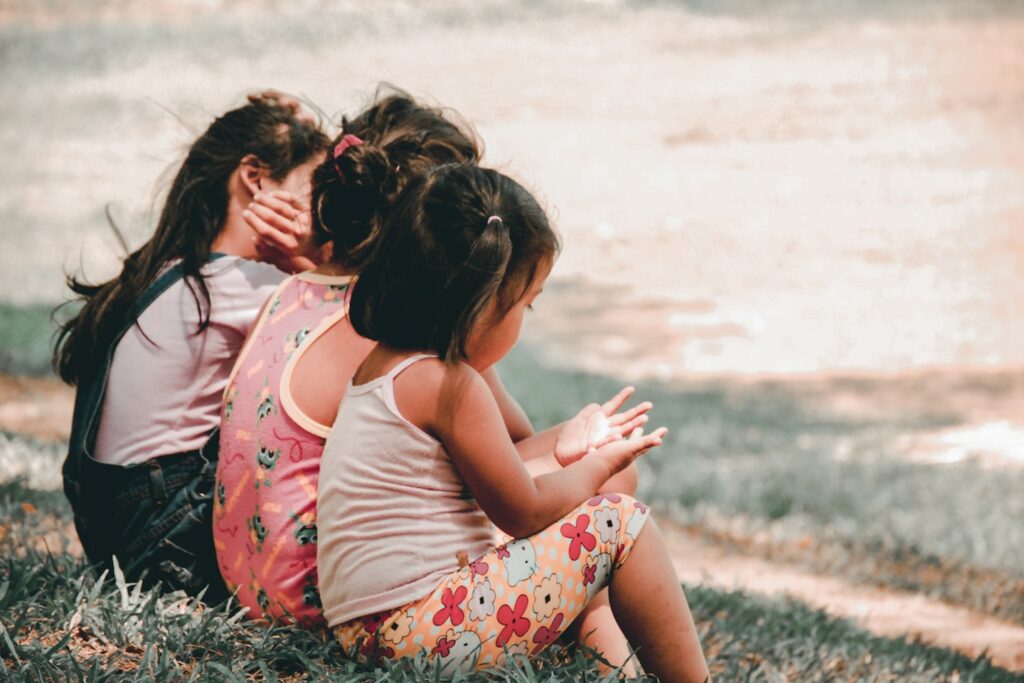
At the age of 3, toddlers’ imagination and curiosity are in full swing. They seek to explore, understand, and experiment with the world around them through playful and educational activities adapted to their own pace. Whether at home or outdoors, offering a diverse range of experiences helps stimulate their motor, cognitive, and social development. Encouraging these moments of discovery by proposing creative and sensory games helps build essential skills while fostering the joy of learning. In a context where technologies constantly evolve, mixing traditional and modern with toys like Lego Duplo or craft workshops enriches their universe while maintaining a healthy balance. Thanks to a caring and playful approach, every child can flourish in a stimulating and safe environment.
In brief:
- 🎨 Manual activities develop fine motor skills and creativity.
- 🤸♂️ Motor games strengthen coordination and balance.
- 🧩 Pretend play encourages socialization and emotional expression.
- 🎶 Music stimulates the sense of rhythm and memory.
- 🌿 Outdoor outings encourage autonomy and sensory discovery.
- 🔄 Varying activities meets the need for novelty and independence.
Motor activities and sensory games for optimal motor development in the 3-year-old child
At 3 years old, the child refines their gestures, discovers new sensations, and gains confidence in mastering their body. Motor activities and sensory games are essential to consolidate this pivotal phase of their development. For example, setting up a motor skills course composed of cushions, tunnels, and light obstacles encourages overall coordination. This type of play invites crawling, jumping, or climbing, engaging balance and spatial awareness. A small tip frequently used in creative workshops is to integrate varied textures on the floor, such as foam mats or pieces of fabric that the child discovers with their feet, to stimulate tactile perception in a playful way.
Modeling clay is another essential: by manipulating this malleable material with rollers or cookie cutters, the child precisely develops their fine motor skills while expressing creativity. These moments help strengthen hand-eye coordination, essential for writing and daily gestures. This tool can easily be repurposed to create a “master baker” workshop where the child makes their own “cakes” or imaginary shapes, combining imaginative play and fine manipulation.
Ball games adapted to the child’s size are recommended to work on arm and leg movement coordination. Throwing, catching, or hitting a ball stimulates concentration as well as spatial and body awareness. Lightweight balls from brands like Vtech or Playmobil 1.2.3 are perfect for these exercises.
Sensorial bins also work wonders to capture attention while developing the senses. Filling a bin with colored rice, pasta, or dried beans allows the child to rummage, sort, pour, and touch. These tactile experiences often envelop the child in a calm and focused time while awakening natural curiosity. To make the activity even more attractive, it is wise to hide small objects to find, which introduces a playful aspect and an observation challenge.
Finally, finger painting combines sensory discovery with artistic and emotional expression. Offering bright colors and varied surfaces, provided that non-toxic and easy-to-clean paints are used, encourages the child to experiment with movement and nuance while remaining in a safe environment.

Pretend and imaginative play: fostering creativity and early social interactions
The imaginary world is fertile ground for 3-year-old children, who take great pleasure in reproducing daily life and projecting themselves into various roles. These pretend plays offer a double advantage: they stimulate creativity while developing social skills and emotional understanding.
For example, a “home” corner equipped with small accessories such as plastic utensils, dolls, and figurines allows the child to reenact familiar or completely invented scenes. This play promotes language, emotion management, and awareness of responsibilities. It is beneficial to alternate these symbolic games with more specific role plays, such as the doctor equipped with a pretend stethoscope, a tool whose use can soothe certain personal fears through dramatization.
Costumes, whether capes, hats, or full outfits, unleash children’s inventive ability and enrich their stories. Shadow theatre, on the other hand, can become an original support to combine storytelling and acting, thus helping to structure narrative thinking. These stages are crucial for language development and self-confidence.
Plush animal toys or wooden figurines, often used in simulation games, help the child express compassion and work on empathy. These exchanges constitute an essential foundation for future socialization, especially in groups or collectives. The discovery of sharing and cooperation happens naturally and joyfully.
Creative manual activities: developing dexterity and artistic sense in the 3-year-old child
Time dedicated to manual activities occupies a primordial place in the learning through play of the little explorers of 3 years old. These workshops stimulate fine motor skills while nourishing their imagination and ability to express themselves in colors and shapes.
Collage is an accessible and rich activity: armed with colored papers, buttons, pieces of fabric, and glue, children can compose freely, enhancing their hand-eye coordination. Painting, especially with hands, lends itself to emotional expression and discovery of textures. To limit materials without sacrificing creative potential, one can cover the table with an old plastic tablecloth and favor sheets of different sizes.
Colored pencils, pastels, or markers are perfect for encouraging first writing gestures and free drawing. It is not about seeking rules but letting the child appropriate the gesture in a playful and secure setting.
More delicate activities, such as cutting with rounded-tip scissors, must always be done under supervision but offer huge satisfaction to children who thus increase their gestural precision. Alongside, threading with large beads fosters patience and coordination.
Creating puppets with socks, buttons, and markers stimulates not only creativity but also invites inventing stories, simultaneously introducing acting and language games.
Finally, painting on pebbles or using natural materials for artistic compositions allows linking awareness of nature and creativity, a balance dear to educators in 2026.
Musical and rhythmic activities: awakening the ear and sense of rhythm in the 3-year-old child
Music holds a unique power to accompany children’s development. At 3 years old, listening to different sounds, singing, and moving to the rhythm of melodies promote sensory awakening, memory, and motor coordination. Nursery rhymes with repetitive lyrics are an excellent means to enrich vocabulary while making pleasure accessible.
Introducing adapted instruments, such as the xylophone, drums, or maracas, motivates the child to explore sound production. These activities reinforce fine motor skills but also the ability to follow a rhythm, a fundamental learning that will nurture future musicality, speech, and even reading.
Rhythm games involving tapping, clapping hands or feet encourage listening to and reproducing sound patterns, facilitating auditory attention. Music can also blend with other activities, like painting or dancing, for a multisensory pleasure.
Creating one’s own instruments from recycled objects combines creativity, ecology, and musical awareness. This activity is also an opportunity to convey a family message, thus fostering moments of affectionate bonding.
| 🎵 Instruments | ✨ Objectives | 🎯 Examples of activities |
|---|---|---|
| Xylophone | Develop sound perception | Play simple notes following rhythms |
| Maracas | Improve fine motor skills and coordination | Shake to create varied rhythms |
| Pots and wooden spoons | Encourage sound creativity | Produce different sounds by hitting |
| Musical puppets | Stimulate oral and gestural expression | Tell stories sung and danced |
| Experimentation tray | Create sound compositions | Assemble various objects for varied sounds |
Outdoor activities and quiet moments for 360° balance in the 3-year-old child
Taking advantage of outdoor spaces is fundamental to accompany children’s overall awakening. Whether in the forest, in a park, or simply in a garden, nature promotes advanced motor skills, curiosity, and autonomy. Running games and balance activities, such as running, jumping, or climbing, encourage self-confidence.
Walks in nature enrich the senses with bird watching, leaf collecting, or insect discovery. These experiences feed imagination and patience, while instilling respect for the environment. For beneficial quiet time, activities like chalk drawing on the grass or simply observing clouds with changing shapes help soothe the restless minds of little ones.
The balance between active moments and peaceful intervals is essential. After a rich day, times for reading, coloring, or listening to soft music accompany relaxation and help manage emotions. This balance is key to fostering harmonious development and effective learning.
- 🌳 Forest walks to stimulate observation and balance
- 🏃 Running and obstacle games with natural elements
- 🎨 Chalk drawing to develop creativity outdoors
- 📚 Reading soothing stories at the end of the day
- 🎶 Soft music to calm and prepare for sleep
To ensure safety and well-being, it is appropriate to always adapt activities to weather conditions and the child’s physical abilities. For example, the essentials are to protect against the sun, avoid the hottest or most humid hours, and choose secure places. Don’t hesitate to get informed on how to better support your child on topics like toilet training or to discover ideas for activities for children from 2 years old that will gently prepare the next stages.
Why are sensory activities so important for a 3-year-old child?
They develop tactile, visual, and auditory perception, promoting concentration and understanding of the world, essential for future learning.
How to integrate educational games like Lego Duplo into daily play?
Establish regular and structured playtime, vary construction themes, and encourage creativity without pressure to use these games effectively.
What precautions should be taken for outdoor activities?
Watch the child carefully, adapt clothing and sun protection, check the terrain, and avoid the hottest hours.
What benefits do toys such as Playmobil 1.2.3 or Fisher-Price offer?
These toys are designed for safety, promote precise handling, stimulate imagination, and perfectly suit the needs of 3-year-old children.
How to manage the overflowing energy of a 3-year-old child?
Vary activities between quiet moments and dynamic games, respect their pace, and share quality time to help channel this energy.