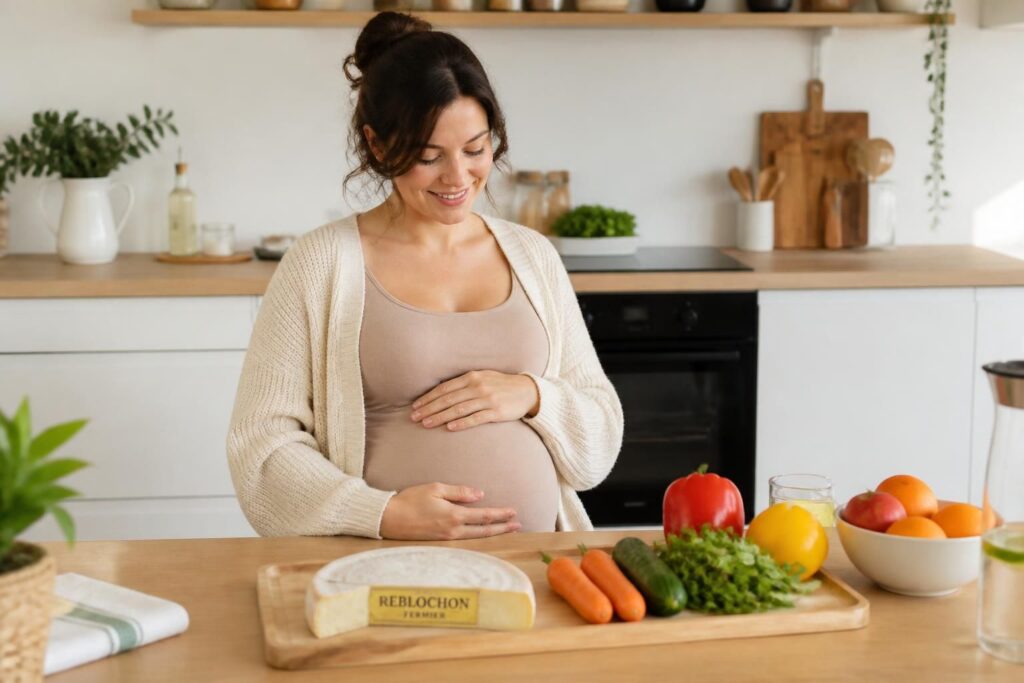
Reblochon, this little Savoyard treasure, is often coveted on gourmets’ tables. But when pregnancy comes into play, this delicacy turns into a delicate question. Pregnant women naturally wonder if they can enjoy this soft cheese without risking harm to their baby. The heart of the concern lies in the possible presence of bacteria such as Listeria monocytogenes, responsible for a dreaded infection, listeriosis, which can have serious consequences on the development of the fetus. In 2026, food safety comes first, but it is perfectly possible to combine pleasure and caution. To do this, it is essential to carefully choose between raw milk Reblochon and the pasteurized one, adopt good food hygiene practices, and above all rely on appropriate cooking that eliminates the risks. This overview thus explores the keys to preserving indulgence while protecting mom and baby, so that pregnancy can also rhyme with tasty pleasures.
In a few essential points, remember that the consumption of unpasteurized Reblochon presents too high a risk during pregnancy, while cooking this cheese at more than 70°C ensures its safety. Avoid the rind, often loaded with bacteria, respect the cold chain, and favor alternative cheeses like Comté or Gruyère are all simple habits that allow you to keep intact the pleasure of cheese without fear. To share a good moment without worry, a few targeted gestures are enough to protect the baby’s health while continuing to enjoy a traditional dish.
Why does Reblochon require particular vigilance during pregnancy?
Soft cheese Reblochon, especially when made from raw milk, presents a potential contamination risk by the bacterium Listeria monocytogenes, well known for causing listeriosis. This infection can be devastating during pregnancy, increasing the risks of miscarriage, premature delivery, or neonatal infection. The particularity of soft cheeses, like Reblochon, is their moist texture and maturity which promote bacterial growth, especially if the cheese has not undergone pasteurization.
In 2026, health data confirm that the risk of listeria contamination is about 10 times higher in raw milk cheeses compared to pasteurized versions. Moreover, toxoplasmosis, another food threat for pregnant women, can also be transmitted by unpasteurized cheeses. Yet, Reblochon is also a valuable source of calcium, proteins, and essential vitamins for the harmonious development of the baby, hence the interest in finding a balance between pleasure and food safety.
Differences between raw milk and pasteurized Reblochon: what food safety?
| Type of Reblochon | Origin | Risk Level | Taste Quality |
|---|---|---|---|
| Raw milk | Artisanal dairies of Savoie | High (listeria, toxoplasmosis) | Intense, more complex flavors |
| Pasteurized milk | Controlled industrial production | Very low with good preservation | Flavor close to traditional, safer |
This table reveals that caution recommends privileging the pasteurized version, particularly during pregnancy. This does not prevent fully enjoying this cheese, provided that a few strict food hygiene rules are observed.
Cooking, a precious ally for enjoying Reblochon during pregnancy
Cooking is a major asset for the expectant mother wishing to enjoy Reblochon without major risks. The Listeria bacterium dies at 72°C maintained for about fifteen minutes, a temperature easily reached in many culinary preparations. Thus, iconic dishes like tartiflette or croziflette stand as safe options. These traditional recipes cook the cheese at about 180–200°C for at least 20 minutes, effectively eliminating dangerous bacteria.
However, a few practical rules put all the chances on your side:
- Check the temperature: use a cooking thermometer to ensure the dish reaches at least 72°C at its core.
- Avoid raw Reblochon in salads or cold open sandwiches.
- Favor a well-browned rind which indicates optimal cooking.
- Respect recommended cooking times for maximum food safety.
| Dish | Cooking Temperature | Duration | Safety Level |
|---|---|---|---|
| Tartiflette | 200°C | Minimum 25 minutes | Excellent |
| Croziflette | 180°C | Minimum 20 minutes | Excellent |
To further explore tips around tartiflette during pregnancy, you can consult this complete guide where all practical advice is gathered.
Cheese alternatives to keep enjoying yourself
For those who want to avoid any risk, even reduced, several options gently combine indulgence and food safety. Pressed cooked cheeses, because they are mostly pasteurized and have low water content, limit bacterial proliferation. Comté, Gruyère, and Emmental fall into this category, offering calcium and essential proteins.
Here is a practical list to vary without risk:
- Comté: often AOP, rich in calcium and proteins.
- Gruyère: classic flavors, enhanced safety.
- Emmental: melting and light on the palate.
- Pasteurized goat cheese: tangy and mild alternative.
- Pasteurized Gouda: creamy after cooking.
| Cheese | Type of milk | Labels | Pregnancy benefits |
|---|---|---|---|
| Comté | Pasteurized or raw milk depending on origin | AOP | Rich in calcium, low risk if pasteurized |
| Goat cheese | Pasteurized milk | Often organic | Safe after cooking, pleasant flavor |
| Gouda | Pasteurized milk | IGP | Source of vitamins B12 and D |
Food hygiene: essential actions for safe consumption
Apart from the type of cheese and cooking, food hygiene plays a key role in preventing intoxications. Pregnant women must adopt simple but essential actions:
- Store cheeses in the refrigerator below 4°C, preferably in the coldest and most stable part.
- Favor pre-packaged cheeses to limit the risk of cross-contamination during cutting.
- Avoid consuming the rind, which often concentrates the highest number of bacteria and molds.
- Consume the cheese quickly after purchase to limit bacterial proliferation.
- Wash hands carefully before and after handling.
- Clean utensils and surfaces in contact with cheeses and their dishes.
In real life, what I see with children is the importance of accompanying these tips with accessible explanations to defuse concerns while reassuring. Knowledge and vigilance then become keys to combining pleasure and safety.
Can you eat Reblochon during pregnancy if the cheese is pasteurized?
Yes, pasteurized Reblochon is considered safe for pregnant women, provided that hygiene and storage rules are followed.
Is cooked Reblochon safe for the expectant mother?
Yes, cooking at a temperature above 70°C destroys dangerous bacteria, making cooked Reblochon safe to eat.
Why avoid the rind of Reblochon during pregnancy?
The rind can harbor bacteria and molds, which increases the risk of contamination, even on pasteurized cheese.
Which cheeses should be preferred during pregnancy?
It is advised to choose pasteurized cheeses, pressed cooked cheeses such as Comté, or fresh pasteurized cheeses to limit risks.
What precautions should be taken to consume cheese during pregnancy?
Respect the consumption date, keep cheese refrigerated, wash hands, avoid the rind, and prefer cooking; these are key actions.